

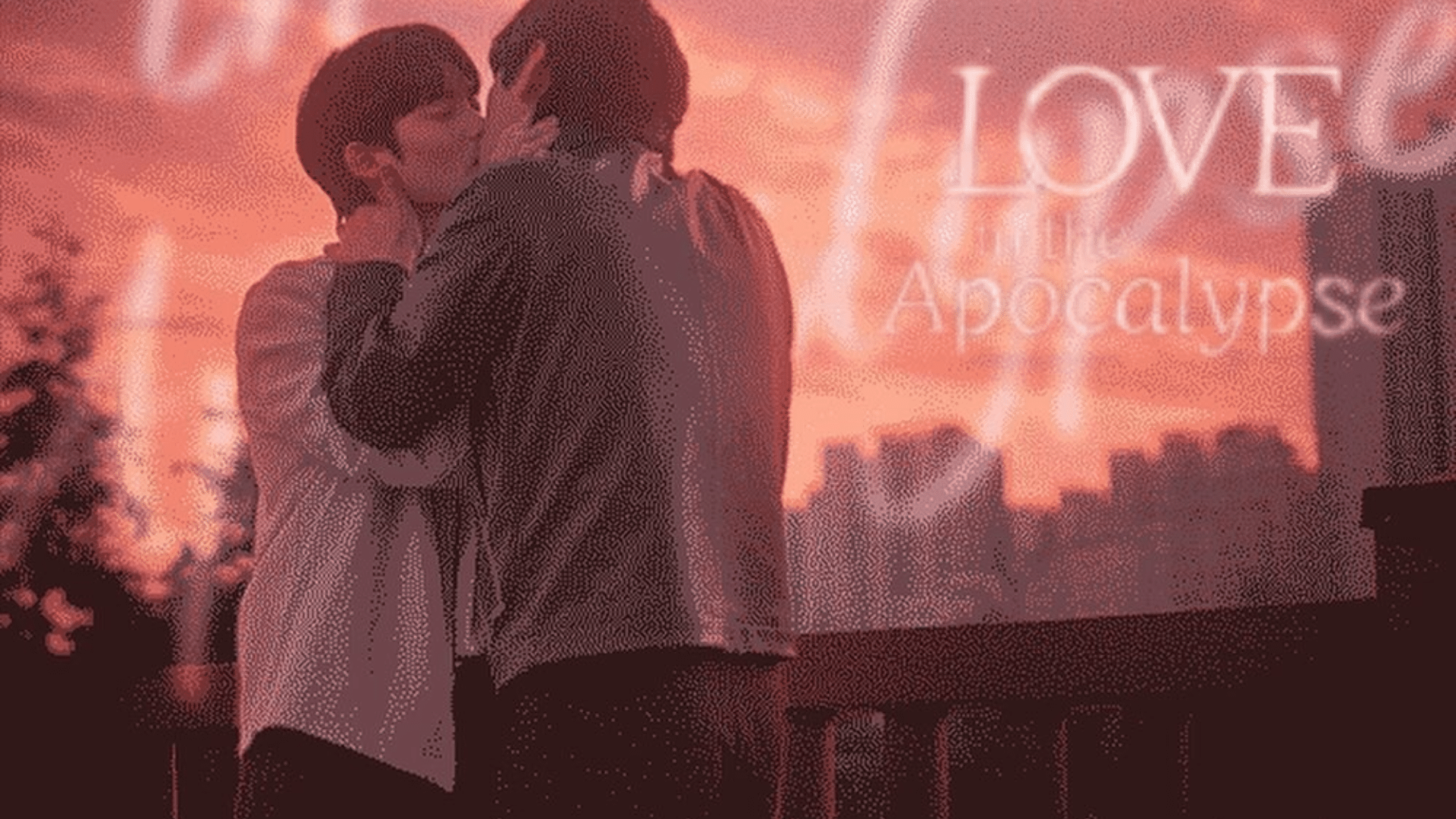
Romance Amidst the Apocalypse: Exploring Love in Crisis
“Romance Amidst the Apocalypse” stands out as a daring entry in the realm of Korean BL dramas, merging apocalyptic science fiction with queer romance in a uniquely heartfelt manner. The series delves into a significant existential dilemma: how do we choose to live when the end looms closer? More importantly, how can love thrive even in the direst of situations?
Advertisements
Storyline and Unique Concept
The narrative unfolds in a world where a meteor dubbed “Love” is set to collide with Earth in a mere seven days, with a staggering 99.2% chance of leading to humanity’s demise. This apocalyptic backdrop acts as a catalyst for a profound examination of human values, authenticity, and the life-altering nature of true love.
The main character, Heesu, finds himself at a pivotal juncture: confronted with the approaching annihilation, he ultimately decides to embrace honesty regarding his sexuality, both to himself and those around him. This revelation is not merely a side story, but a core aspect that shapes his path toward self-awareness and genuine connection with Woojin, his boss.
Character Evolution and Romantic Interactions
Heesu embodies the archetype of someone who requires a looming disaster to muster the bravery to live truthfully. His choice to disclose his feelings to his parents and pursue a relationship with Woojin symbolizes a liberation that resonates deeply with many queer viewers.
Conversely, Woojin provides a compelling contrast as a workaholic who remains fixated on his job even as the world edges toward catastrophe. While this initial portrayal may seem exaggerated, it effectively highlights how some individuals cope with existential crises through denial and routine. His evolution toward learning to “live” under Heesu’s influence offers a touching emotional development arc.
The relationship between the two characters examines themes of vulnerability, closeness, and the bravery required to connect genuinely with another person when time is scarce. This urgency amplifies the emotional weight of each interaction, transforming otherwise mundane exchanges into moments of deep significance.
“Romance Amidst the Apocalypse” utilizes a micro-episode format, consisting of 40 episodes, each running about 2 minutes, for a total of roughly 75 minutes of content. This vertical structure, tailored for mobile viewing, represents a contemporary approach to content delivery, yet presents notable constraints for intricate narrative development.
The decision to film in a vertical format sparked debate among viewers, with many deeming it uncomfortable for traditional viewing experiences. Nevertheless, this choice reflects an awareness of evolving media consumption habits, particularly among younger audiences who favor mobile content.
Despite its brief format, the series tackles significant issues regarding mortality, authenticity, and personal priorities. The apocalyptic scenario serves as a potent metaphor for personal crises, compelling individuals to confront unpleasant truths about themselves that they might typically avoid.
Examining the queer experience through an apocalyptic lens introduces additional layers of meaning: “coming out” in the shadow of impending doom represents both urgency and liberation from societal norms that often restrict genuine expression. This perspective resonates deeply with LGBTQ+ viewers who understand the bravery needed to live openly.
Strengths and Weaknesses of the Narrative
The primary strength of the series lies in its innovative premise and the authentic chemistry shared by the lead characters. The intimate moments between Heesu and Woojin successfully convey genuine emotion, despite the time and format constraints.
However, the narrative grapples with significant challenges in character development due to limited runtime. Woojin, in particular, sometimes appears more as an exaggerated stereotype than a fully fleshed-out character, with actions that stretch believability even within the apocalyptic context. The lack of time to delve into psychological subtleties constrains the narrative’s emotional weight.
Critics have also highlighted plot developments that seem implausible and interactions that occasionally feel forced. The inclusion of superfluous drama in certain episodes detracts from the stronger central theme of the romantic relationship.
Production Quality and Technical Aspects
As a low-budget Korean BL production, “Romance Amidst the Apocalypse” operates within clear resource and location constraints. The choice of minimalist settings—primarily the vacant office where Woojin continues working—serves both budgetary and narrative purposes, enhancing the sense of isolation that complements the apocalyptic scenario.
The direction manages to achieve effective visual moments despite limitations, utilizing intimate framing and soft lighting to cultivate a romantic ambiance that contrasts with the bleakness of the impending apocalypse.
Audience Reception and Cultural Significance
The series garnered a mixed reception, with viewers split between those who appreciated its unique premise and others who felt the execution was hampered by its format and budget limitations. The 7.3 rating on MyDramaList reflects this division, suggesting content that resonates with part of the audience but does not achieve universal acclaim.
In the context of Korean BL dramas in 2024, “Romance Amidst the Apocalypse” stands as an intriguing experiment in format and concept, even if not always successful in execution. Its contribution to the thematic diversification of the BL genre is significant, pushing beyond the typical school or workplace settings.
Concluding Thoughts
“Romance Amidst the Apocalypse” functions best as a conceptual exploration rather than a fully realized drama. Its inventive premise and genuine emotional moments hint at untapped potential, but technical and narrative restrictions hinder it from fully realizing that potential.
For fans of experimental BL content and those interested in examining existential themes through a romantic lens, the series offers a distinctive, albeit flawed, experience. Its brief runtime makes it easy to digest, allowing viewers to determine for themselves whether the innovative concept compensates for the execution’s shortcomings.
The series marks an intriguing progression in the evolution of Korean BL content, showcasing a readiness to explore unconventional formats and more ambitious themes, even when resources limit a fully polished outcome.