

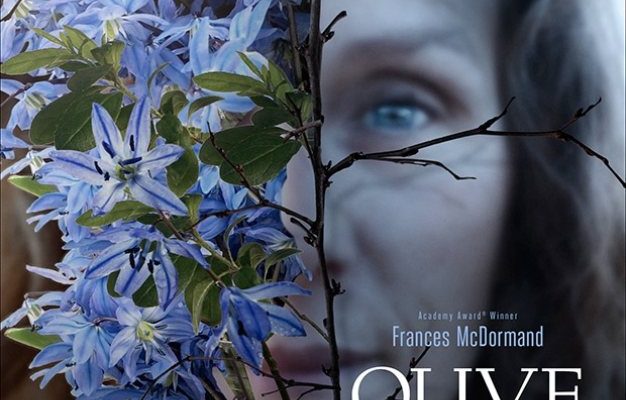
What happens when ordinary lives confront extraordinary challenges? In this review, we explore the riveting drama Olive Kitteridge, acclaimed as one of television’s most impactful miniseries.
Advertisements
Debuting on November 2, 2014, Olive Kitteridge consists of four HBO episodes, each about 60 minutes long. Available on HBO Max and Prime Video, this adaptation of Elizabeth Strout’s Pulitzer Prize-winning book features Frances McDormand in a defining role as Olive. It chronicles 25 years in the life of Olive Kitteridge, a middle school math educator in the fictional town of Crosby, Maine. The series dives deep into her complex marriage with Henry Kitteridge and her connections with other townsfolk.
Olive Kitteridge excels as both a character study and a reflection on how everyday individuals deal with love, grief, and the relentless passage of time. It portrays the harsh realities surrounding long-lasting marriages, mental health struggles, and the hidden despair often lurking in seemingly ordinary lives. What sets this adaptation apart is its genuine representation of life—messy, intricate, and at times heart-wrenching, yet occasionally illuminated by unexpected moments of grace.
The series adeptly reflects the nuances of small-town life while addressing universal themes such as isolation, bonding, and the challenge of understanding ourselves and those we care for.
Living in a Small Maine Community
The story primarily revolves around the 25-year union of Olive and Henry Kitteridge, set in Crosby, Maine—a tight-knit coastal community where lives intertwine in intricate ways. Olive Kitteridge avoids relying on dramatic twists, focusing instead on a series of small yet significant moments that shape a life. It explores how Olive’s sharp personality and intelligence make her a community figure, even as many find her intimidating.
The miniseries illustrates the dual nature of small towns: they can nurture residents while simultaneously feeling oppressive. Olive Kitteridge reveals that each inhabitant of Crosby grapples with personal battles, from depression and suicidal thoughts to marital strife and lost dreams.
The Unlikable Yet Relatable Olive
Frances McDormand delivers a powerful performance as Olive Kitteridge across all episodes. Her depiction of this multi-dimensional, often unlikable character is both brave and profound, presenting a woman who is both harsh and gentle, critical yet kind. McDormand adeptly embodies Olive’s contradictions—she can be unkind to her family while unexpectedly compassionate towards strangers and sees life clearly, yet struggles with emotional intelligence in her relationships.
What makes Olive compelling is McDormand’s choice to eschew traditional sympathy. Olive Kitteridge presents her as a complete individual, showcasing the complexity of being both deeply flawed and intensely human.
Henry Kitteridge: Olive’s Steadfast Partner
Richard Jenkins adds depth to Henry Kitteridge, their supportive and patient husband, who serves as both Olive’s emotional anchor and the target of her frustrations. Jenkins showcases Henry as a man who facilitates Olive’s challenging nature while retaining his dignity. His portrayal unveils the complexities inherent in long-term marriages—how partners can love and inadvertently hurt each other over the years.
The bond between Olive and Henry forms the emotional core of Olive Kitteridge, illustrating how two starkly different individuals can share a life despite their differences. Jenkins beautifully captures Henry’s gentle character and his slow realization that enduring love sometimes means accepting that complete understanding may never be possible.
Facing Depression: The Kitteridge Challenge
The series reaches its emotional climax as the Kitteridge family faces mental illness and suicidal struggles within their community. Olive Kitteridge handles these themes with sensitivity, acknowledging the pervasive nature of depression and despair—universal experiences that can affect anyone. It delves into how Olive’s own battles with depression and anger shape her interactions with those around her.
These key moments enhance the series’ depth, illustrating how families can be both a source of heartache and healing, highlighting the idea that those who challenge us most can also be the ones who understand us best.
Acclaim and Recognition
Olive Kitteridge garnered significant critical praise and swept the 2015 Emmy Awards, securing eight wins, including Outstanding Limited Series and awards for both McDormand and Jenkins. The miniseries confirmed that audiences desire mature, character-focused storytelling that embraces life’s complexities. Olive Kitteridge distinguished itself in television history for its dedication to authentic narratives and its exploration of challenging topics without providing easy answers.
It proved that television could achieve emotional depth and literary sophistication similar to esteemed novels, setting a new benchmark for adaptations.
A Lasting Cinematic Experience
For those who appreciate character-driven dramas that examine the intricacies of human relationships, Olive Kitteridge is essential viewing on HBO Max. This miniseries transcends mere entertainment; it serves as a deep exploration of marriage, family, and the complex bonds that connect us over a lifetime.
Why This Series Matters
Olive Kitteridge is a testament to television’s capacity to explore intricate facets of human nature with both intellectual rigor and emotional honesty. It’s a series that invites viewers to engage with challenging characters and uncomfortable truths, making it a must-watch for anyone who values storytelling that embraces the complexities of human experience.
Series Overview
Episodes: 4 (complete miniseries)
Streaming Platforms: HBO Max, Prime Video; originally aired on HBO
Release Year: 2014
IMDb Score: 8.3/10
Genres: Drama, Family Drama, Literary Adaptation
Status: Complete miniseries
Main Cast: Frances McDormand (Olive Kitteridge), Richard Jenkins (Henry Kitteridge), Bill Murray (Jack Kennison)
Antagonistic Forces: The complexities of human relationships and nature (no single antagonist)