

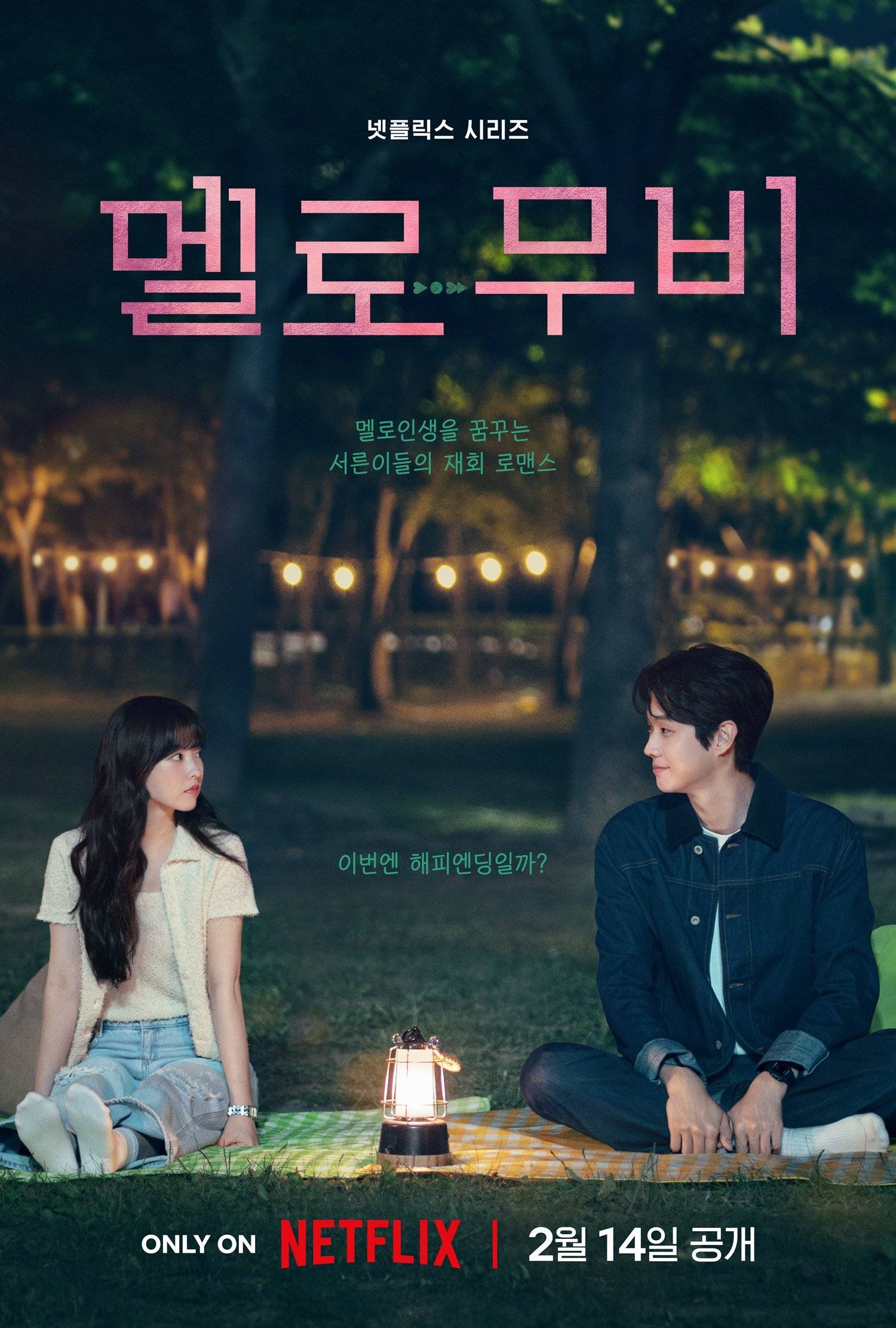
Hello, everyone! Hope you’re doing well! Today, I’m excited to share my thoughts on the romantic comedy Melo Movie, which has won over audiences with its gentle depiction of youthful romance and the quest for dreams within the cinematic world.
Advertisements
Debuting on Netflix on February 14, 2025 (timed perfectly for Valentine’s Day!), this delightful series comprises 10 episodes, each roughly 1 hour long. Authored by Lee Na Eun and directed by Oh Choong Hwan, featuring Choi Woo-sik, Park Bo-young, Kim Jae-wook, Lee Jun-young, and Jeon So-nee, this romantic drama offers a wonderful fusion of humor, romance, and emotional richness.
Set against the lively backdrop of Korean cinema, the narrative follows the interconnected lives of aspiring young characters as they navigate love and challenges while chasing their ambitions in the film industry. What sets this series apart is its use of cinema not just as a setting but as a metaphor for life, illustrating how films can unite people, drive them apart, and ultimately aid in their healing process.
The series beautifully delves into the theme of second chances, both in romance and career, while tackling deeper issues such as trauma, familial expectations, and the bravery required to follow one’s heart. It’s a narrative that resonates with anyone who has ever struggled to balance safety and passion, or the expectations of others against their true desires.
The Narrative Focuses on Ko Gyeom
The plot revolves around Ko Gyeom, an enthusiastic film critic with aspirations to watch every film ever created, and Kim Mu-bi, a budding film director diligently striving to follow in her father’s footsteps in the cinematic realm. Their lives intertwine on a film set, igniting a romance that initially fades amid enigmatic circumstances and personal trials.
Years later, destiny reunites them, but both have evolved. Ko Gyeom has grown somewhat disillusioned by his experiences, while Mu-bi relentlessly pursues her directing aspirations despite facing numerous hurdles. Their reunion evokes long-buried memories and feelings, compelling them to confront their shared history and ponder if love deserves another chance.
The narrative intricately weaves various storylines, exploring not only the central romance but also the aspirations and struggles of their friends and associates in the film industry. Each character embodies distinct facets of chasing artistic dreams in a demanding environment.
Ko Gyeom’s Evolution: From Enthusiast to Critic
Choi Woo-sik delivers a layered performance as Ko Gyeom, a character who represents the genuine love for cinema while grappling with personal disappointments. His evolution from an eager film enthusiast to a more skeptical critic mirrors how life can sometimes dampen our original passions. What’s striking about his character arc is how encountering Mu-bi reignites not only his romantic feelings but also his appreciation for the art that initially united them.
Ko Gyeom’s relationship with films reflects his emotional journey. His ambition to view every film ever made symbolizes a childlike wonder that contrasts sharply with the more pragmatic, often challenging realities of navigating the film industry. Choi Woo-sik perfectly captures this duality, exhibiting both vulnerability and resilience in his portrayal.
Mu-bi’s Resolve: Carving Her Own Path
Park Bo-young infuses depth and sincerity into Kim Mu-bi, a director-in-training who quietly strives to make her mark in a male-dominated field. Her character symbolizes the challenges many young women face in attempting to honor family legacies while forging their own identities. Mu-bi’s journey involves discovering her voice as both a filmmaker and a woman in love.
What makes Mu-bi particularly intriguing is her quiet fortitude and determination. She avoids seeking attention or validation; rather, she concentrates on her craft while confronting personal trauma and familial expectations. Park Bo-young’s performance deftly portrays the internal struggle between chasing her aspirations and guarding her heart against further heartache.
The Influence of Cinema: Love Through Film
The series reaches an emotional crescendo when Ko Gyeom and Mu-bi recognize that their mutual love for cinema is what first connected them and could potentially salvage their relationship. The pivotal moments emphasize not only romantic reconciliation but also collaborative artistry and supportive partnerships in pursuing their dreams.
The series cleverly utilizes actual filmmaking as a metaphor for relationship building. Just as creating a film demands patience, teamwork, and the willingness to rework scenes until they shine, nurturing a lasting relationship requires similar dedication and the bravery to give love another chance.
Ensemble Cast: A Rich Tapestry
The supporting ensemble, featuring Kim Jae-wook, Lee Jun-young, and Jeon So-nee, adds further depth to the narrative. Each character reflects different dimensions of the entertainment industry and varying approaches to balancing personal connections with professional aspirations. Their interactions with the main couple deliver both humor and profound insights into the hurdles of chasing artistic ambitions.
Achieving Success on Netflix
Melo Movie has struck a chord with viewers globally, particularly those who cherish tales about the creative journey and the bravery required to pursue artistic ambitions. The series has garnered acclaim for its authentic representation of the Korean film industry and its thoughtful treatment of themes like trauma and healing. Launched perfectly on Valentine’s Day, the show has found its audience among romance enthusiasts who appreciate richer, more meaningful storytelling that transcends typical romantic comedy clichés.
For fans of romantic comedies that delve into the intersection of love and artistic fervor, Melo Movie is an ideal series to binge on Netflix. This isn’t just another rom-com; it’s a thoughtful exploration of second chances, the magic of cinema, and the bravery needed to pursue both your heart and your aspirations.
A beautifully crafted romantic comedy that harnesses the enchantment of cinema to investigate deeper themes of love, healing, and the courage to chase your dreams against all odds.
Details of the Series:
Total Episodes: 10
Available On: Netflix
Rating: 8.2/10 (IMDb)
Genre: Romantic Comedy, Drama, Slice-of-Life
Main Cast: Choi Woo-sik as Ko Gyeom, Park Bo-young as Kim Mu-bi, Kim Jae-wook, Lee Jun-young, Jeon So-nee
Conflict: Personal trauma, industry obstacles, and the fear of pursuing dreams rather than a conventional antagonist