

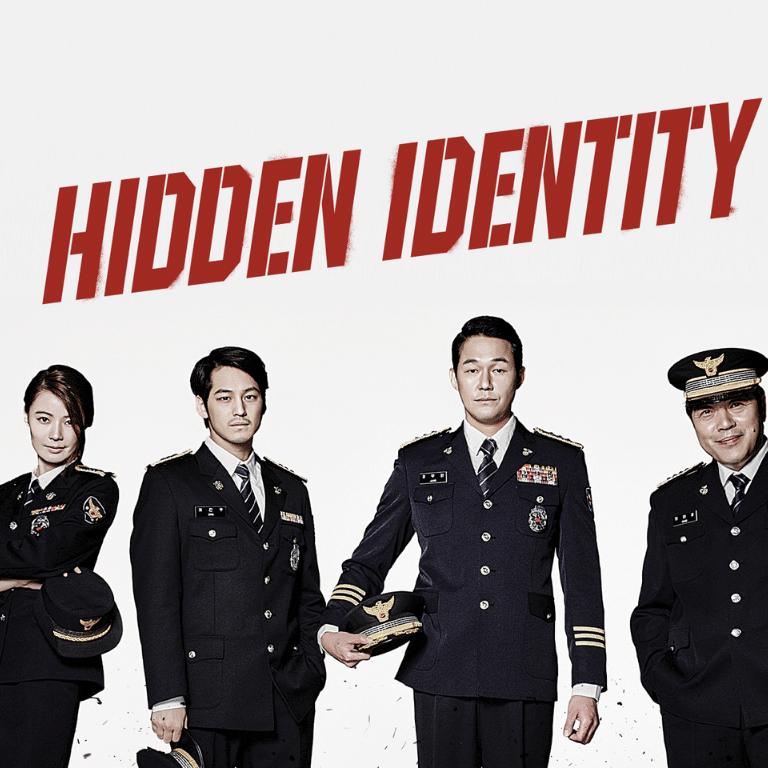
The Veiled Truth: Navigating Justice and Crime
“The Veiled Truth” presents a captivating premise within the realm of Japanese police thrillers, delving into the ethical and psychological limits of law enforcement through a narrative of infiltration that continuously challenges viewers to question loyalties, motivations, and the essence of justice. With a storyline reminiscent of the finest elements of modern noir, the series creates a world where the distinctions between hero and villain become perilously unclear.
Advertisements
Story Concept and Building Suspense
At its core, the narrative follows a detective who relinquishes his official identity to immerse himself within a criminal syndicate. This setup instantly presents the series’ primary tension: how far can a law enforcement officer go in the fight against crime without transforming into what he opposes? This philosophical inquiry permeates the plot, elevating a potential simple police drama into a profound exploration of ethics and justice.
The act of infiltration transcends mere plot mechanics, acting as a catalyst to scrutinize how sustained exposure to criminal environments impacts the protagonist’s mental state. The adoption of a false identity becomes a symbol for the splintering of self, generating tension not only from external threats of exposure but also from the internal conflict of the protagonist struggling to uphold his moral compass.
Character Growth and Psychological Depth
The main character embodies an intriguing archetype in the landscape of modern television protagonists—a man compelled to live a deception to serve a higher truth. This essential duality provides fertile ground for character evolution, examining how the necessity to uphold a criminal guise gradually undermines the detective’s trust in his own ethical judgment.
The criminal organization he infiltrates is depicted not as an unequivocally malevolent force, but as a multifaceted ecosystem with its own hierarchies, codes of behavior, and even glimpses of humanity. This nuanced portrayal avoids simplistic dualism, compelling both the central character and the audience to reckon with the reality that even those engaged in crime can exhibit redeeming traits.
Atmosphere and Cinematic Style
“The Veiled Truth” cultivates its atmosphere through a visual style that mirrors the protagonist’s fractured emotional landscape. The scenes depicting his life as a detective use brighter lighting and stable composition, contrasting sharply with the sequences of his criminal identity, which are shot in deep shadows and unsettling angles.
This visual contrast is not merely stylistic; it serves as a narrative extension that highlights the main character’s inner conflict. The direction employs subtle symbolism through mirrors, reflections, and fragmented surfaces to illustrate the divided nature of the protagonist’s identity, creating a visual lexicon that conveys complex themes without the need for expository dialogue.
Tension and Episode Structure
The series generates tension through various layers of risk: the persistent threat of exposure, the slow degradation of the protagonist’s moral values, and the potential that his actions as an undercover criminal may inflict irreversible damage on innocents. This intricate suspense structure keeps viewers engaged on both visceral and intellectual fronts.
Each episode acts as a fragment of a larger narrative puzzle, progressively revealing not only the secrets of the criminal entity but also concealed facets of the protagonist’s own character. This episodic format allows for natural growth of both narrative and characters, sidestepping forced or conveniently timed revelations.
Timeless Themes and Social Significance
Beyond mere entertainment, “The Veiled Truth” tackles crucial issues related to surveillance, privacy, and the limits of governmental authority. The series interrogates whether morally dubious methods can be vindicated by noble purposes, a discussion particularly relevant in the current digital era.
The examination of the personal toll of law enforcement resonates with real-world challenges faced by undercover officers, providing insight into the psychological sacrifices demanded by such roles. The series shuns simplistic resolutions, opting instead to present authentic moral quandaries that compel viewers to grapple with their own beliefs about justice and means.
Potential Impact and Genre Differentiation
“The Veiled Truth” has the potential to distinguish itself in a genre often flooded with repetitive tropes through its psychologically nuanced approach to familiar material. By emphasizing the protagonist’s internal evolution as much as the external facets of the investigation, the series is set to offer a richer, more emotionally impactful experience.
The focus on psychological intricacies and the moral ramifications of actions sets this production apart from more traditional police thrillers, providing thematic depth that may appeal to both casual genre enthusiasts and viewers seeking more meaningful entertainment.
Anticipations and Critical Insights
If executed with the quality suggested by its premise, “The Veiled Truth” could redefine standards for investigative thrillers, showing that it is feasible to blend high-quality entertainment with significant thematic inquiry. The series faces the challenge of balancing procedural authenticity with emotional growth, a balance that, if achieved, could yield a truly unforgettable television experience.
The success of the series will largely hinge on its capacity to sustain tension across multiple episodes without resorting to contrived escalations of stakes or sensationalistic twists. The strong premise offers a solid base, but the execution will be vital in determining whether “The Veiled Truth” becomes a landmark within the genre or merely another competent entry in an oversaturated field.
Concluding Thoughts
“The Veiled Truth” signifies a promising direction for the modern police thriller, presenting a concept that balances accessible entertainment with significant thematic depth. The series has the potential to elevate the genre through its sophisticated exploration of intricate moral dilemmas, providing viewers with not only visceral tension but also material for extended contemplation.
With its blend of psychological suspense, social relevance, and potential for nuanced character growth, “The Veiled Truth” aims to be a valuable addition to the television landscape, delivering an experience that entertains while challenging the conventions and expectations of the genre.