

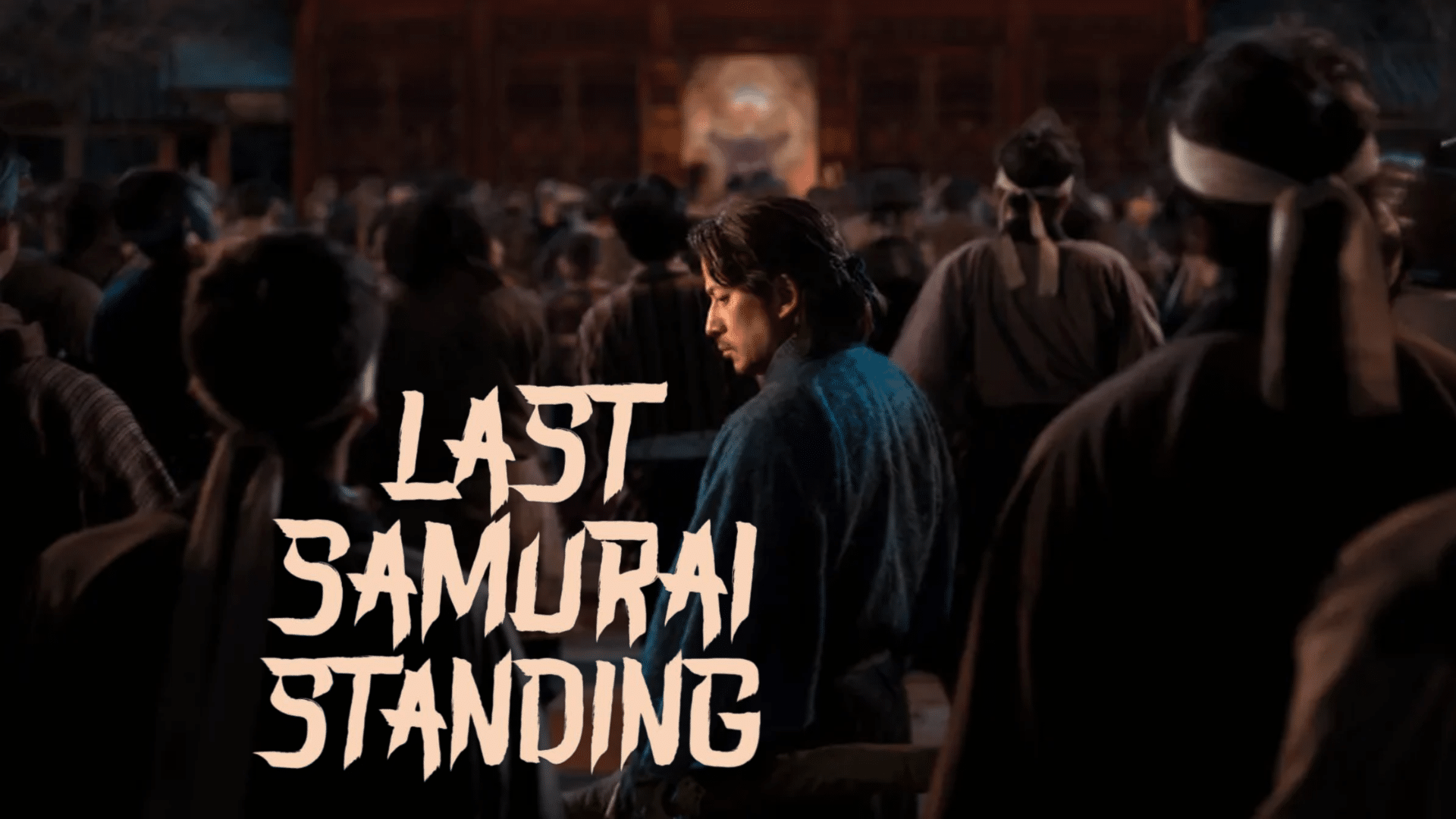
The Final Samurai: A Clash of Honor and Survival
“The Final Samurai” stands out as one of Netflix’s most daring and eagerly awaited projects for 2025, aiming to transform the realm of Japanese historical dramas with a bold concept that merges elements of “Shōgun” with the psychological intensity found in “Squid Game.” Directed by Michihito Fujii and inspired by Shogo Imamura’s celebrated manga “Ikusagami,” this series immerses viewers in the waning days of the samurai era, where age-old honor confronts the harsh realities of survival.
Advertisements
Historical Setting and Story Concept
Taking place in 1878 during the Meiji period, the series highlights a pivotal moment in Japan’s history when samurai lost their esteemed status and had to adapt to a rapidly modernizing society. This significant historical shift serves as an ideal backdrop for a story that delves into not just physical battles but also the profound existential dilemmas faced by warriors witnessing the decline of their way of life.
The core concept is both straightforward and powerfully poignant: 292 adept warriors assemble at Tenryuji Temple in Kyoto, lured by the promise of an extraordinary reward of 100 billion yen. What ensues is a lethal contest for survival where only the last samurai standing can claim victory and, crucially, the opportunity to protect their family.
Character Arcs and Aspirations
At the heart of this monumental conflict is Shujiro Saga, brilliantly portrayed by Junichi Okada, a desperate fighter who enters the contest with a singular aim: to save his ill spouse and child. This personal drive elevates the narrative beyond mere action, making each encounter a matter of life and death laden with significant emotional stakes.
Okada, who also takes on the roles of producer and action choreographer, infuses the character with visceral authenticity, showcasing not just combat prowess but also the fragility of a man grappling with insurmountable challenges. His portrayal is set to be the emotional core of the series, grounding the visual spectacle in relatable human experiences.
Direction and Visual Approach
Michihito Fujii, celebrated for projects such as “The Journalist” and “18×2 Beyond Youthful Days,” brings a refined cinematic vision to the endeavor. The director exhibits a profound grasp of the epic scale necessary for capturing large battles while also ensuring intimate moments of character development are portrayed compellingly.
Choosing Tenryuji Temple as the primary location is more than a visual choice; it carries symbolic weight, embodying both Japan’s spiritual heritage and the confined arena where fates will be determined. The artistic direction aims to faithfully recreate the Meiji period, providing viewers with an authentic visual experience of the time.
Production Scope and Ambition
With nearly 300 actors involved, each requiring tailored costumes and specific choreography, “The Final Samurai” marks a significant achievement in Japanese series production. The ambitious scale is likened by the director to the creation of three films at once, promising to deliver action sequences unprecedented in Japanese television.
The involvement of Junichi Okada as the action choreographer ensures that the combat sequences are authentic, delivering battles that honor both martial traditions and the narrative’s needs. This meticulous attention to detail indicates that the series will prioritize realism over mere visual spectacle.
Universal Themes and Modern Relevance
Although it takes place in the 19th century, “The Final Samurai” addresses themes that resonate universally: the fight for survival during transformative times, the clash between tradition and modernity, and the sacrifices individuals are willing to make for their loved ones. The series serves as a compelling metaphor for any society in flux, where long-standing values are tested by emerging realities.
The concept of samurai honor acquires a fresh perspective when juxtaposed with the primal instinct for survival. This central conflict promises to provoke deep moral contemplation, questioning if noble ideals can endure in the face of extreme challenges.
Potential for Global Influence
The creators’ comparison of the series to “Shōgun meets Squid Game” is intentional, reflecting their ambition to craft a show that merges the visual and cultural allure of period dramas with the psychological suspense of survival thrillers. This combination could captivate both historical drama aficionados and suspense narrative enthusiasts alike.
Netflix’s commitment to this production signals confidence in its international appeal, having invested considerable resources in a distinctly Japanese narrative with universal themes. This investment suggests that “The Final Samurai” could mirror the global success of other Asian titles featured on the platform.
Anticipations and Final Thoughts
“The Final Samurai” is poised to become a landmark in modern Japanese entertainment, promising to elevate production standards for historical dramas while delivering a narrative that resonates emotionally. The blend of established talent, high-quality production, and a distinctive story concept creates justifiable expectations.
The series has the potential to set new benchmarks for the genre, demonstrating that period dramas can honor historical legacy while innovating in their storytelling methods. If realized with the promised level of quality, it could serve as a touchstone for future productions in this category.
With its blend of visual allure, emotional depth, and thematic significance, “The Final Samurai” promises to be more than mere entertainment—it aims to be a cinematic journey that respects both the samurai legacy and the expectations of today’s audience. The series signifies not only the conclusion of a narrative era but also the dawn of a novel approach to Japanese historical dramas.