

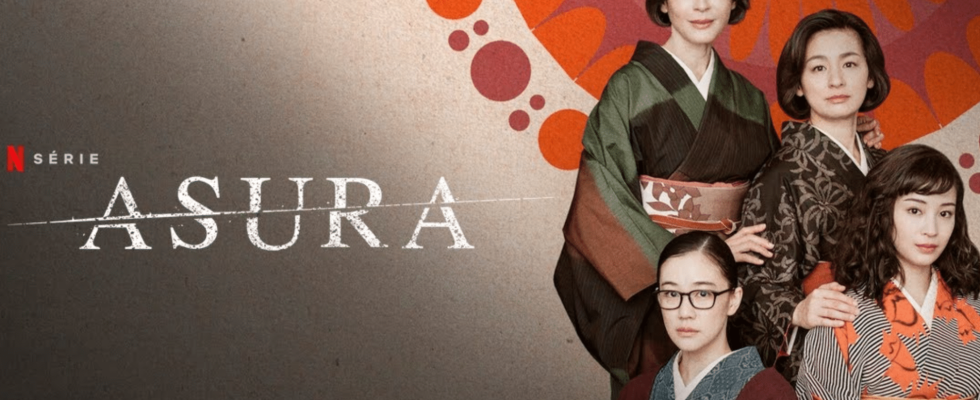
Asura: A Deep Dive into Modern Japanese Family Life
Advertisements
Under the masterful direction of Hirokazu Kore-eda, “Asura” emerges as a poignant exploration of familial relationships. This drama centers on the lives of four sisters whose world is upended by the revelation of their father’s infidelity, sparking a profound examination of the foundations that uphold family ties.
Storytelling Technique
Kore-eda’s storytelling is marked by meticulous craftsmanship, allowing each character to unfold with remarkable depth. The revelation of paternal betrayal serves not merely as a plot twist, but as a springboard for broader inquiries into trust, forgiveness, and the multifaceted nature of familial love. Each sister’s response is distinct, showcasing their individuality and varying life stages.
Directorial Approach and Aesthetic
True to his reflective and realistic style, Kore-eda employs extended takes and thoughtfully arranged shots, focusing on subtle gestures and meaningful pauses. His camera work feels like an invisible family member, capturing intimate exchanges while remaining unobtrusive. The gentle visuals and muted color schemes foster an atmosphere of quiet sorrow, a hallmark of the director’s oeuvre.
Key Themes Explored
Beyond the initial betrayal, the film delves into overarching themes of human nature and family loyalty. The concept of fidelity is examined through various lenses: between spouses, between parents and their children, and among siblings. Forgiveness is depicted as a deeply personal journey, devoid of simplistic resolutions. Furthermore, Kore-eda subtly critiques societal expectations surrounding family structures and the evolving role of women in today’s Japan.
Character Portrayals and Growth
The performances are strikingly authentic, steering clear of melodrama in favor of genuine emotional resonance. Each sister is richly developed, embodying their own complexities that resonate with audiences. Even in his absence, the father figure looms large, shaping the daughters’ emotional landscapes through their reactions and memories.
Memorable Aspects
What sets “Asura” apart is its ability to transform an everyday scenario into a profound exploration of human existence. Kore-eda skillfully avoids simplistic moral conclusions, opting instead to portray the intricate landscape of human emotions with raw honesty. The slow build of emotional intensity leads to cathartic moments that feel genuine, free from contrived drama.
Concluding Thoughts
“Asura” reaffirms Hirokazu Kore-eda’s prowess in crafting universally relatable family dramas, even while deeply rooted in Japanese culture. The film serves as both an intimate snapshot of a family in turmoil and a broader reflection on the connections that shape our identities. It stands as a vital contribution to contemporary Japanese cinema, appealing to those who value narratives steeped in psychological insight over traditional dramatic conventions.
With its sensitive direction, heartfelt performances, and nuanced handling of complex issues, “Asura” reinforces Kore-eda’s reputation as one of today’s most insightful chroniclers of the human experience in film.